Hands Busy, Mind Clear: Crafting Your Way to Calm
Today we explore Screen-Free Craft Projects for a Healthier Digital Balance, inviting you to unplug with tactile, satisfying activities that invite presence and ease. Step into a welcoming space where paper, yarn, wood, clay, and plant dyes guide your attention gently away from alerts, toward rhythm, breath, and delight. Share your wins and stumbles, ask questions, and join a community that builds resilience through making, not scrolling.

Why Your Hands Need Paper, Yarn, and Clay

When your fingers fold paper, stitch fabric, or shape clay, your nervous system gets a quiet signal that it is safe to settle. Research and lived experience agree: tactile focus slows racing thoughts, restores attention, and softens the constant tug of notifications. Crafting encourages single-task flow, giving your eyes rest and your mind a steady beat. Today, let’s treat making as a soothing ritual that complements sleep, movement, and mindful breaks.

01

A weekend experiment that reset my notifications

One Saturday, I placed my phone in the hallway, set an analog timer, and started a simple collage using old magazines and glue. The minutes stretched sweetly. When I finally checked messages, nothing urgent had vanished, but anxiety had. That quiet session reminded me that attention is a muscle; feed it gentle reps, and it grows wonderfully dependable, even on noisy weeks.

02

What science whispers about tactile focus

Studies suggest that brief sessions of hands-on art can reduce stress markers and lift mood, especially when perfection is not the goal. Repetitive, rhythmic movements—knitting, carving, weaving—encourage a meditative state. Add natural textures and earthy scents, and your senses weave a supportive nest. The result is a portable calm you can revisit whenever screens feel too loud and demanding.

03

Setting intentions before you begin

Before opening the glue or threading the needle, name a gentle purpose: to breathe deeper, to repair rather than replace, to notice colors outside your usual palette. Jot a sentence in a notebook and promise not to judge results. That small declaration turns minutes into meaningful practice, builds momentum, and helps you return tomorrow with curiosity instead of pressure or perfectionism.

Starter Projects That Welcome Every Skill Level
Beginning is easiest when the barrier to entry is low and satisfaction arrives quickly. Choose projects that fit on a small table, use common materials, and finish in an evening. As your confidence grows, complexity can bloom naturally. The goal is presence, not performance. Start with playful, forgiving techniques that transform scraps into gifts, brighten your home, and anchor a wholesome routine you’ll look forward to revisiting regularly.
Grab colored paper strips, a toothpick, and glue. Roll, pinch, and shape spirals into leaves, hearts, and waves. Attach designs to folded cardstock and write a handwritten note inside. These cards deliver instant accomplishment and thoughtful connection, while the repetitive rolling invites steady breathing. Share photos with a friend, trade patterns, and slowly expand into larger, framed pieces when time and curiosity allow.
Warm a walnut-sized piece of clay in your palms, then press a thumb well and rotate, pinching the rim evenly. Texture the surface with a leaf, fork, or linen. Let it dry, sand softly, and seal with a simple varnish. Each tiny vessel celebrates patience, imperfection, and touch. Use it for salt, rings, or wildflowers, and remember how quietly making can reset your evening.
Gather worn shirts, tea towels, and ribbons. Cut shapes, arrange a small landscape, and adhere pieces on heavy paper using fabric glue or fusible web and an iron. Layer textures to create depth and movement. Name your scene, add a date, and frame it. This playful practice transforms leftovers into memory art, nurturing presence, gratitude, and sustainable habits that feel refreshing and beautifully personal.

Gathering Materials Sustainably and Affordably

Creativity thrives when constraints guide imagination. Instead of buying everything new, explore cupboards, thrift aisles, and community swaps. Old buttons, envelopes, yarn ends, and jars can become charming treasures. Choosing secondhand lowers cost, reduces waste, and amplifies your resourcefulness. Let each material carry a story, and your projects will hold warmth, history, and character—qualities money rarely purchases. Begin with a list, then stay open to delightful, serendipitous finds.

Make It a Ritual: Routines That Keep You Offline

{{SECTION_SUBTITLE}}

The phone-in-a-jar rule and humble timers
Place your phone in a glass jar with the lid slightly stuck, making impulsive checks inconvenient. Set a kitchen timer for twenty-five to forty minutes and commit to staying with your hands. When the bell rings, breathe, sip water, and decide intentionally whether to continue. This small friction creates freedom, reminding you that boundaries can be compassionate, practical, and surprisingly effective for nourishing attention in busy, demanding seasons.

Soundscapes, scents, and a welcoming table

Invite your senses into the ritual: ocean waves or forest birds, a lavender candle, perhaps a clean cotton cloth under your tools. Clear visual clutter so the materials glow. These cues quietly signal a different pace. Over time, your body anticipates calm the moment the cloth unfolds. That anticipation reduces resistance, making it easier to return tomorrow without bargaining, procrastination, or the scattered energy that screens often provoke.

Deep-Dive Projects for Flow and Patience

When you’re ready to linger longer, choose processes that reward deliberate pacing. Repairs, carving, and natural dyeing ask you to listen closely to texture, grain, and time. These practices become meditations with outcomes you can hold. Expect crooked lines and happy surprises. Embrace slowness as a design feature, not a flaw. Each hour invested is also an hour of strengthened attention, gentler breathing, and restored, quietly confident presence.
Mark a grid on torn denim, thread a sturdy needle, and stitch simple running lines that cross like quiet footpaths. The mend becomes art, and the garment becomes a diary of care. Wear it proudly, noticing how people ask questions and smile. Repairing is not less than new; it is more. The process teaches patience, rhythm, and reverence for the items that serve you daily and faithfully.
Start with green wood, a sharp knife, gloves, and a safe stance. Learn the push cut, stop cut, and sweeping slice. Pause often to feel the grain and plan each move. Sand, oil, and admire how a useful object emerges from shavings. This quiet practice requires focus without fear, offering satisfying progress while keeping your mind present, steady, and delightfully engaged in small, honest transformations.
Save papery onion skins, simmer them gently, and watch the water deepen into glowing amber. Pre-soak cotton or wool with a simple mordant if needed, then dip, stir, and wait. Colors shift subtly with time and fabric. Hang pieces outside and notice light playing across fibers. This process invites patience, curiosity, and gratitude for materials that whisper stories far richer than any instant filter could provide.

Measuring Progress Without Apps or Streaks
Let your evidence be tangible and kind. Replace digital dashboards with a paper log, pencil checkmarks, and a box of offcuts that grow as proof of joyful hours. Track how your sleep, mood, and attention feel after sessions. Notice gentler mornings and calmer evenings. Progress is not perfection; it is returning. Celebrate returns with small rituals, not rewards that pressure you. Your consistency is already the shining prize.

Analog habit chains that honor effort

Draw a calendar grid and link days with a simple line whenever you sit down to make, even for fifteen minutes. Misses happen; skip guilt. Write a short note about what felt good, hard, or surprising. Over time, patterns emerge that guide compassionate adjustments. You will see that tiny, honest steps build a resilient practice far stronger than any app could promise or enforce.

Photographing progress with a real camera

If you own a basic point-and-shoot, use it to document stages without the urge to check messages. Capture beginning, middle, and end. Print favorites and tape them near your workspace. Physical photos quietly motivate, reminding you of momentum on days that feel sluggish. The tactile archive becomes a timeline of learning, patience, and growing trust in your capacity to create something tender, meaningful, and beautifully useful.

Community, Sharing, and Gentle Challenges

Practices deepen when they are witnessed kindly. Find buddies who trade prompts, swap materials, and meet for quiet making sessions. Create small challenges that fit busy schedules, and celebrate process over outcomes. Share stories of detours, mistakes, and breakthroughs. Invite newcomers with warmth, because teaching clarifies your own learning. Together, you will build resilient habits that sustain healthful digital balance long after novelty fades and motivation wobbles slightly.

The seven-day unplugged postcard exchange

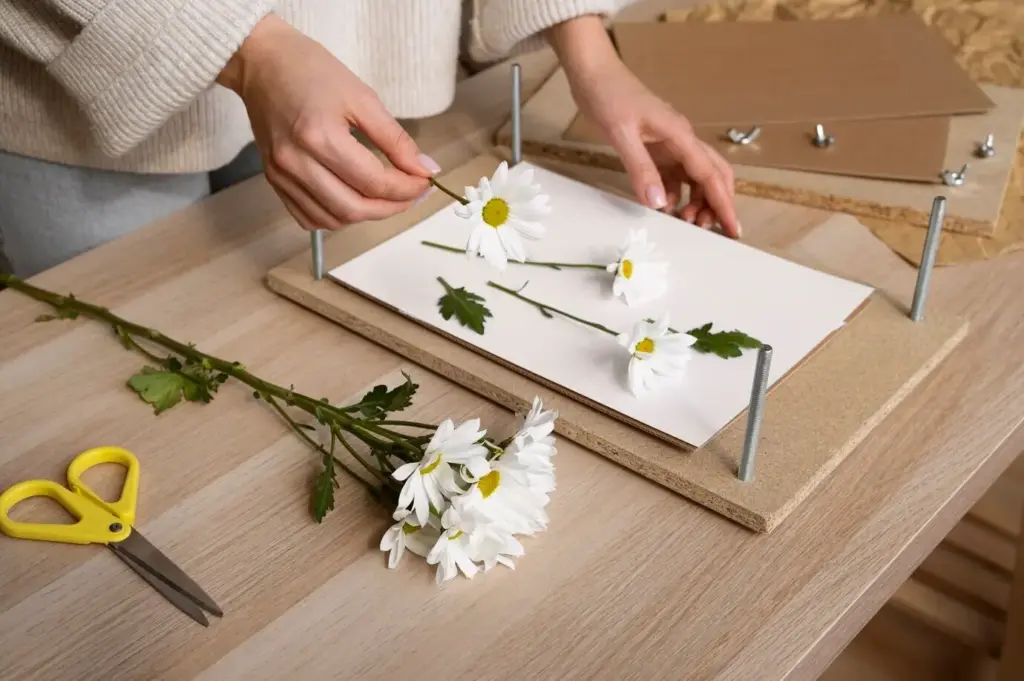
Each participant crafts one postcard daily using scraps, pressed leaves, or stitched paper. Mail them at week’s end. The ritual invites tactile contact, gentle deadlines, and surprising connection. Opening handwritten mail feels delightfully slow and grounding. Exchanges also nudge you to notice textures during walks. Soon, you carry a pocket envelope for found materials, and your attention learns to wander curiously without reaching for a glowing rectangle.

Open-table evenings with shared prompts

Set a long table with communal supplies and a jar of prompts: mend something, carve a curve, collage a memory, weave a horizon. Rotate hosts, keep snacks simple, and end with a brief gratitude circle. People leave calmer, carrying new ideas and scraps to continue at home. These gatherings transform making into social care, reinforcing boundaries with screens through friendship, laughter, accountability, and mutual inspiration that grows generously.

Invite feedback that strengthens, never stings

Adopt a clear framework: name what works, ask curious questions, and offer one gentle suggestion. Ban perfection talk, celebrate effort, and note feelings during the process. Feedback becomes a mirror, not a hammer. Over time, courage grows, projects stretch thoughtfully, and the room feels safer for experiments. This culture keeps you returning, because it pairs challenge with care, a balance that makes consistent offline creativity truly sustainable and bright.
Vatavuxumizixiri
Privacy Overview

This website uses cookies so that we can provide you with the best user experience possible. Cookie information is stored in your browser and performs functions such as recognising you when you return to our website and helping our team to understand which sections of the website you find most interesting and useful.