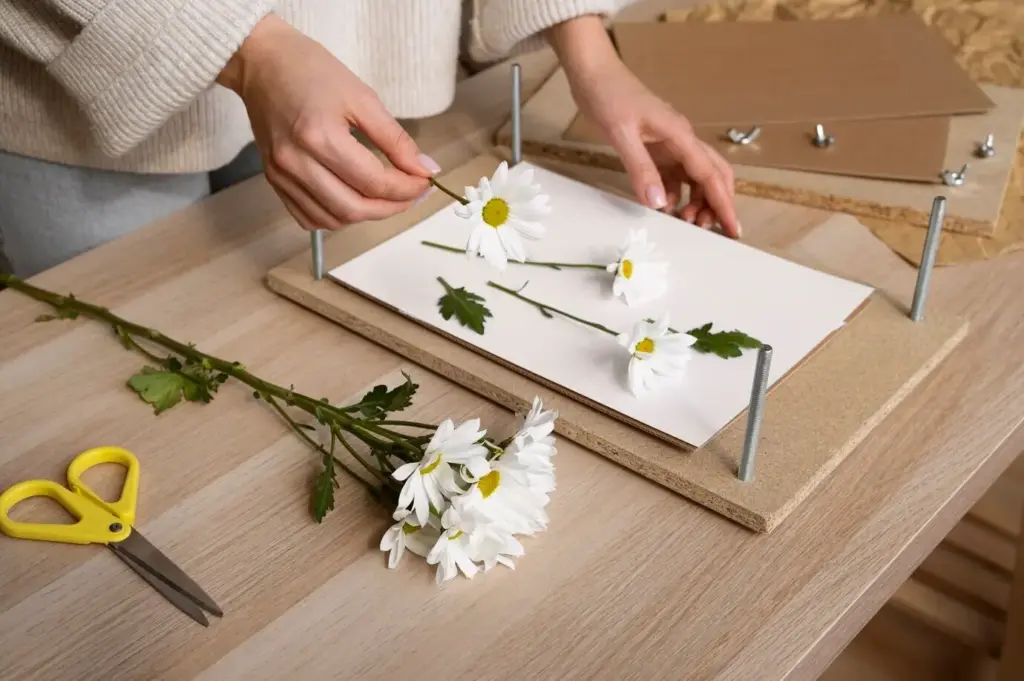
Calm Hands, Purposeful Craft: Eco-Friendly Upcycling

Today we dive into eco-friendly upcycling as a path to calm and purpose, celebrating how transforming overlooked materials into useful, beautiful objects steadies the mind and strengthens meaning. Expect practical guidance, heartfelt stories, and gentle nudges to start small, keep going, and share your progress with others who value mindful making and respectful care for the planet.
Why Turning Waste Into Worth Quietens the Noise
When you rescue a jar, shirt, or chair and guide it toward a second life, your attention narrows, your breathing steadies, and the scattered pace of the day softens. Many makers describe this work as a reliable doorway into focus, gratitude, and self-trust. You become an active steward rather than a passive consumer, witnessing change with your own hands and feeling a grounded sense of sufficiency that lingers long after the project ends.

The Restorative Rhythm of Repair
Repair has a pace that invites patience. Each stitch, sanded edge, or carefully placed screw offers a small checkpoint of progress, briefly rewarding effort and inviting the next gentle step. That rhythm anchors attention in the present, helping worries untangle. As your hands move, a quiet dialogue forms between material and intention, reminding you that resilience grows through repeated, humble acts of care.

From Clutter to Clarity
Upcycling reframes piles of forgotten things as a library of possibilities. Instead of being overwhelmed by excess, you curate, pair, and reimagine, reducing decision fatigue and visual noise. Choosing one object and one modest improvement at a time creates momentum. The space you clear is matched by inner space, where goals feel approachable and your sense of capability rises with every small, considerate transformation.
Tools, Materials, and Spaces That Support Gentle Progress
Beginning does not require a studio or expensive gear. A safe surface, good light, and a short list of reliable tools keep the process friendly and low-pressure. Thoughtful sourcing—asking neighbors, visiting reuse centers, watching community boards—builds a steady stream of material that inspires without overwhelming. A tidy, welcoming corner helps you return often, whether you have ten minutes or a quiet evening to unwind and create.

T-Shirt to Market Tote
Transform a stretched tee into a soft tote by removing sleeves, reinforcing seams, and knotting the hem. The result carries groceries and reminders of your resourcefulness. As you trim, measure, and stitch, you’ll practice precision and patience. This approachable project demonstrates how familiar items can gain renewed utility, turning sentimental fabric into a daily companion with both story and purpose.
Glass Jar to Cozy Lantern
Wrap a clean jar with scrap twine or lace, add a wire handle, and nestle a beeswax tealight inside. The gentle glow that follows becomes an evening ritual, marking the transition from busy hours to restorative rest. With each lantern, you learn finishing touches—adhesive control, symmetry, and safety—building a foundation of confidence that carries into more ambitious future creations.
Design Choices That Respect Nature and Tell a Story
Upcycling shines when form follows responsibility and narrative. Let imperfections become features, highlight original textures, and choose finishes that support repairability and long life. Consider modular designs that invite future changes. When decisions honor the material’s journey and your values, the object communicates care without a word. The result is quietly elegant: useful, durable, and honest about where it came from and where it’s going.
Embrace Wabi-Sabi Without Settling for Sloppy
Celebrate earned patina while maintaining solid craftsmanship. A nick in wood can guide a curved edge; faded denim can frame a contrasting patch. Still, ensure seams are strong, surfaces smooth, and edges safe. This balance respects history and functionality alike, transforming quirks into intentional signatures that feel human, warm, and deeply considered rather than hastily improvised or carelessly assembled.

Color, Contrast, and Honest Materials
Let materials lead color choices. Pair neutral woods with indigo denim, clear glass with soft twine, and brass hardware with natural cotton. Use contrast to highlight joints and transitions, making repair steps visible and teachable. Favor finishes that disclose grain and weave instead of hiding them. Honesty in materials builds trust, longevity, and a sense of belonging within the spaces your pieces inhabit daily.
Community, Sharing, and Measurable Impact
Purpose expands when you connect with others. Invite neighbors to a mend night, swap surplus materials, and post process notes that help beginners avoid common mistakes. Track diverted waste and hours of mindful making to see cumulative benefits. Stories of small, steady projects inspire more participation than perfection. Your example becomes a lantern for someone else, illuminating a practical, compassionate path they can comfortably follow.
Host a Friendly Swap-and-Mend Evening
Keep it simple: one table for tools, one for fabrics and parts, and a signboard listing available skills. Ask attendees to bring one item to fix and one material to share. Provide tea and gentle music. The welcoming atmosphere reduces anxiety, encourages learning, and seeds friendships that continue exchanging knowledge, resources, and encouragement long after the evening ends.
Share Clear Before-and-Afters With Notes
Photograph stages, annotate steps, and list materials with sources. Include what went wrong and how you adjusted, so others can learn without fear. When you show the messy middle, you normalize experimentation and invite conversation. Comments become mentorship. Over time, your growing archive becomes a community handbook, enabling countless quiet successes beyond your workspace and strengthening trust across your creative circle.
Keeping the Practice Joyful Over the Long Term
Sustainable routines grow from kindness, not pressure. Set small weekly commitments, leave projects at inviting halfway points, and rotate between quick and complex tasks. Protect rest, celebrate small finishes, and periodically declutter supplies to renew clarity. When you honor capacity and pace, the practice remains a refuge rather than a burden, steadily delivering both personal calm and tangible, planet-friendly results that feel meaningful and alive.

Small Steps, Big Steadiness
A ten-minute repair counts. So does sorting hardware, sketching a joinery idea, or oiling a surface. These tiny actions preserve momentum during busy weeks. They also maintain relationships with your tools and materials, keeping knowledge fresh. Small steps prevent avoidance spirals, ensuring you return with confidence, curiosity, and a sense of belonging to the process rather than chasing distant, exhausting perfection.

Rotate Projects to Match Your Energy
Keep a short queue: one quick win, one skill-building piece, and one stretch project. Choose based on your energy that day, not a rigid order. This flexibility prevents burnout and transforms challenges into invitations. When life gets hectic, finish the easy one. When curiosity peaks, tackle the complex step. Momentum grows from meeting yourself honestly and kindly each time you sit down to create.