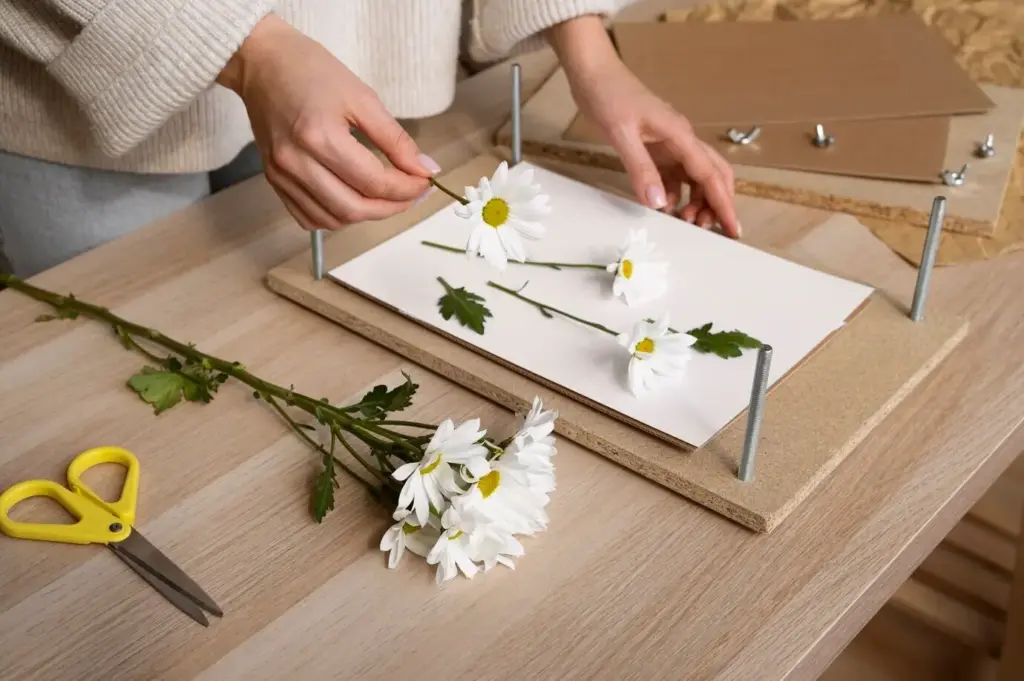
Create Calm in Ten Minutes: Craft Rituals for Busy Days
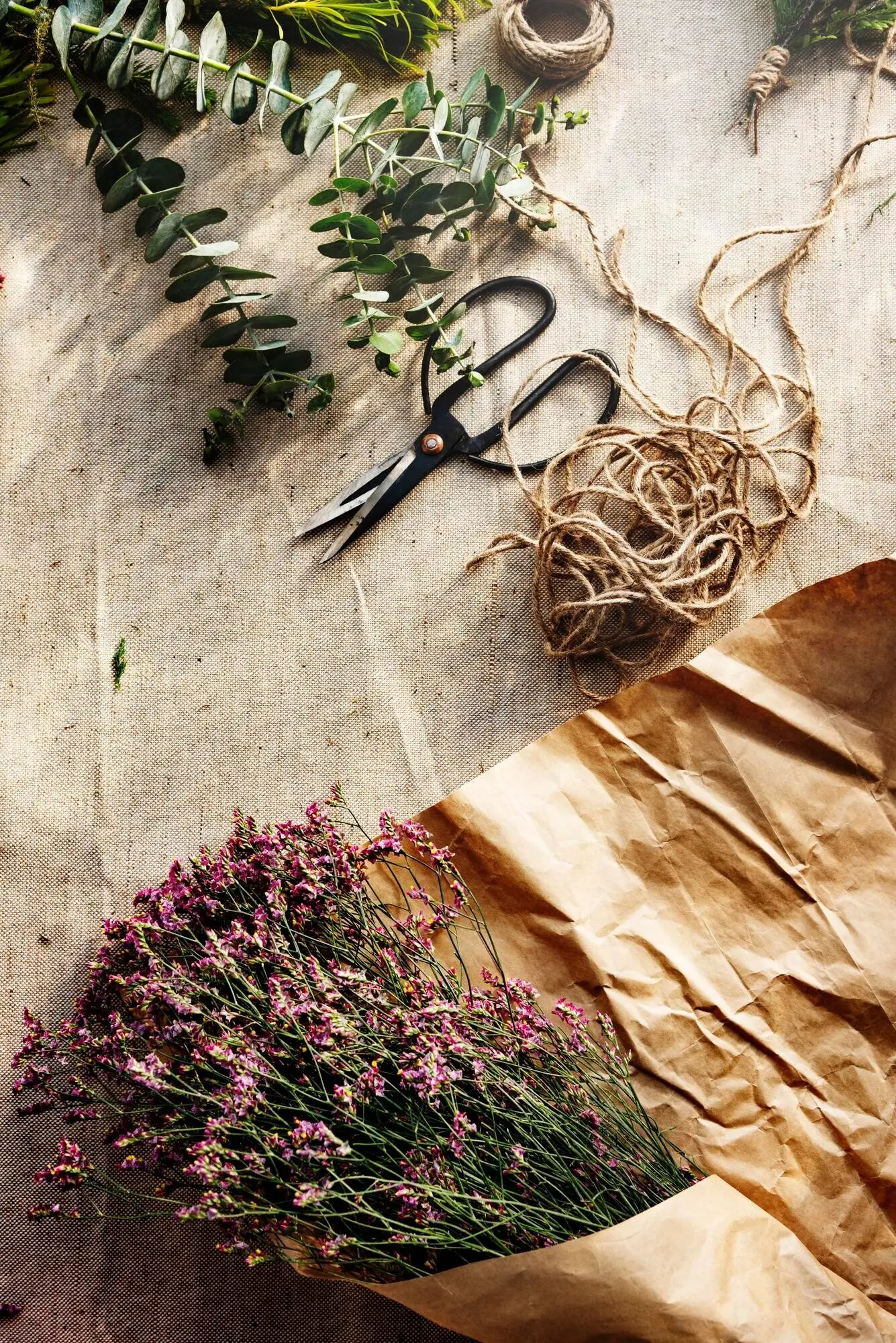
We’re exploring ten-minute craft rituals to reduce daily stress, focusing on gentle, portable practices that fit into crowded calendars and real-life pressures. With simple materials and clear cues, you’ll learn how brief, tactile sessions redirect anxious loops, invite steadier breathing, and soften tension. Expect science-informed guidance, playful ideas, and warm encouragement to protect your attention, celebrate tiny wins, and close each ritual with satisfying clarity. Bring a scrap of paper, a pen, a bit of thread, or a few beads, and let your hands lead your nervous system home.
Why Hands-On Making Settles the Mind
Short, repetitive crafting engages focused attention while quieting background noise, offering a reliable on-ramp into calm. Gentle motions like folding, stitching, wrapping, and doodling recruit the senses, invite rhythmic breathing, and reduce rumination. Neuroscience suggests tactile attention supports parasympathetic settling and can ease cognitive load. You don’t need special talent or elaborate gear; the point is containment, curiosity, and closure. In ten minutes, you can experience micro-flow, strengthen self-trust, and return to your day with steadier energy and kinder self-talk.
Pair a slow inhale and longer exhale with each fold, knot, or line. The body learns the pattern quickly: hands move, breath follows, mind softens. If thoughts race, gently return to the motion’s cadence. Keep materials simple so decisions don’t snag attention. Over time, this pairing becomes a dependable cue; your shoulders drop sooner, your jaw unclenches, and the ritual builds a felt bridge back to steadiness when stress spikes unexpectedly.
You don’t need hours to find flow; you need clear boundaries, a manageable challenge, and immediate feedback. A crane fold, a stitched line, a beaded pattern, or a repeating doodle gives precise, satisfying signals of progress. Distractions shrink as your senses anchor to texture, weight, and rhythm. By designing constraints—a timer, three tools, one small goal—you reduce friction, accelerate immersion, and exit with a meaningful artifact that quietly reminds you calm is a practice, not a luxury.
Portable Rituals You Can Start Today
No studio required. Ten-minute rituals travel well in backpacks, desk drawers, and bedside baskets. Choose motions that reset attention quickly and leave minimal mess: paper folding, pattern doodling, finger knitting, envelope collage, bead stringing, or a simple running stitch. Keep materials inexpensive, replaceable, and friendly to public spaces. The goal is not grandeur; it’s repeatable ease. When the day tilts sideways, you’ll have a pocket-sized practice ready to stabilize mood, refocus energy, and gently reframe the next hour.
Fold a Paper Crane Between Calls
Carry a small square stack and a paperclip to hold your place. Begin with two slow breaths, then fold along familiar lines, letting the crisp edges cue focus. The crane’s sequence is teachable and soothing, and minor variations still feel satisfying. When the timer ends, clip your progress or complete one form and jot a kind note on the wing. Leave it on your keyboard as a promise that tomorrow’s calm is already within reach.
Doodle Patterns that Quiet Rumination
Create a tiny grid and fill each cell with a repeated motif—dots, waves, hatches, spirals—synchronized with slow exhalations. Repetition steadies attention while variation keeps curiosity alive. If judgment appears, gently label it noise and continue the line. Use a single pen to minimize choices. End by circling one square you especially like, honoring progress over polish. Tuck the card into your planner as a visual anchor you can revisit during tense moments.
A Simple Running Stitch Bookmark
Cut a scrap of fabric or felt into a narrow strip. Thread a needle with contrasting floss, knot the end, and breathe through a steady run of small stitches. The rhythm is forgiving, the results immediately tangible, and the motion soothing to restless hands. If time ends mid-row, push the needle through and park it safely, respecting the boundary and reserving sweetness for next time. Slide the growing bookmark into your current read as a quiet companion.
Design a Desk-Side Calm Kit
A compact kit removes decision fatigue and makes practice automatic. Choose a pouch or box that feels inviting to touch, then stock it deliberately: three tools, two materials, one timer, a gentle note to self, and a cloth for tidying. Keep everything visible, friendly, and ready. When stress rises, you reach, breathe, and begin. Ending is equally intentional: close, thank the moment, and return. The reliability of this ritual builds trust and compounds relief across demanding weeks.
Engage the Senses for Deeper Ease
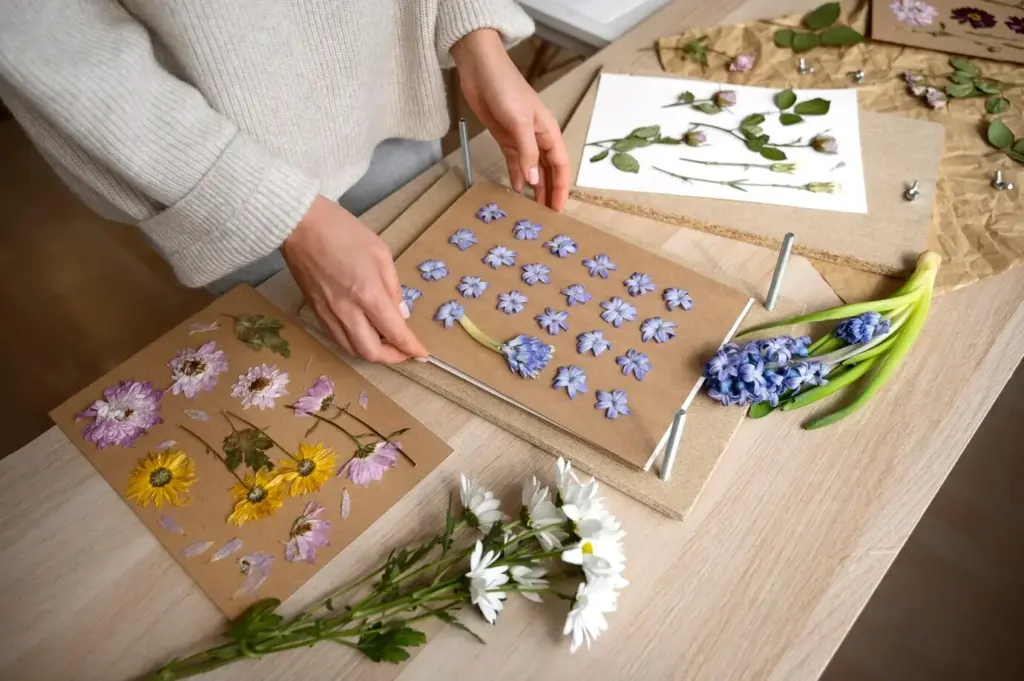
Stress narrows perception; sensory crafting reopens it. Choose textures that invite touch, colors that soften your gaze, and scents that support calm without overwhelming. Think cotton thread, smooth paper, gentle felt, quiet palettes, and whisper-light aromatics. Pair these with natural light if possible or a warm lamp. Let sound be soft—ambient music or silence. Cues should be intentional but subtle, guiding attention home. When senses cooperate, ten minutes expands, and relief lingers even after you return to work.
Real-Life Snapshots: Ten Minutes That Shifted a Day
Stories anchor what science suggests. We asked makers across different rhythms of life to share brief moments that rerouted difficult days. These vignettes celebrate imperfection and presence: paper folded on a bus, beads strung after bedtime chaos, stitches made during a corridor break. Each ends with a small artifact, not for display, but for reassurance. May you recognize your own life in these glimpses and feel permission to try one tiny, compassionate practice today.

Weekend Extensions Without Losing Simplicity
Longer blocks can deepen the benefits without erasing what makes these rituals sustainable. The key is stacking short sessions with clear breaks, not chasing perfection. Keep constraints kind: one project, limited tools, a defined ending. Build a playlist, invite a friend, or step outside for natural light. Let the weekend session refresh your weekday practice by generating prepared kits, color trios, and pre-cut materials. Monday then begins with momentum already quietly waiting for you.
Ladder Up Time, Keep Clarity
Try two or three ten-minute rounds separated by stretches or tea. Each round has a concrete micro-goal: fold five units, stitch one row, compose a tiny collage. Pause deliberately, tidy briefly, then resume. This protects attention and comfort, preventing overwhelm. If energy dips, stop early and celebrate what exists. Document where to start next time, leaving breadcrumbs for future you. Clarity keeps longer sessions playful, humane, and genuinely restorative rather than another exhausting obligation.
Share and Connect in Micro-Communities
Invite a friend to a video call where everyone crafts quietly for ten minutes, then shares one sentence about what felt good. No critiques, no fixing, just witnessing. Connection multiplies benefits and normalizes messy, real-life making. Consider a neighborhood table hour at a café, keeping materials simple and portable. Collective rhythm builds accountability without pressure. You’ll leave with a small artifact and a larger sense of belonging, which itself steadies the nervous system.
Track, Celebrate, and Grow the Habit
Tiny Wins Logbook
Keep a small card where you record date, ritual, and one sensory note—warm paper, steady breath, quiet hands. This anchors memory and trains attention toward helpful cues. When stress rises, flipping through pages reminds you that calm is a practiced relationship. The entries need not be poetic; truthful and brief works beautifully. Over months, the logbook becomes a compassionate archive proving that ordinary minutes, tended gently, can meaningfully change how a hard day feels.
Photograph the Process, Not Perfection
Snap quick photos of your hands mid-fold, a stitch half-finished, or a small pile of trimmings. Process images honor presence and reduce perfection pressure. Create a dedicated album to revisit during tough stretches. Seeing your own hands calmly working becomes a powerful mirror for your nervous system. Caption with one kind sentence. When you share, invite others to focus on sensations and rituals, not outcomes. Community then celebrates participation, making consistency emotionally rewarding.
Gentle Accountability
Pair with a buddy and exchange a single check-in emoji after your ten-minute session, or schedule a weekly text sharing one insight. Keep expectations humane and flexible. Accountability here is companionship, not evaluation. When life gets loud, the buddy becomes permission to try just two minutes and still celebrate. This softer structure supports persistence without guilt, helping the practice survive real-world disruptions and continue delivering small but honest pockets of relief each week.